One ranch. Two paths.
Numbers make the doors real. Here is one hypothetical ranch family, walked through the sale door and the contribution door side by side — round numbers, top rates, nobody’s actual situation.
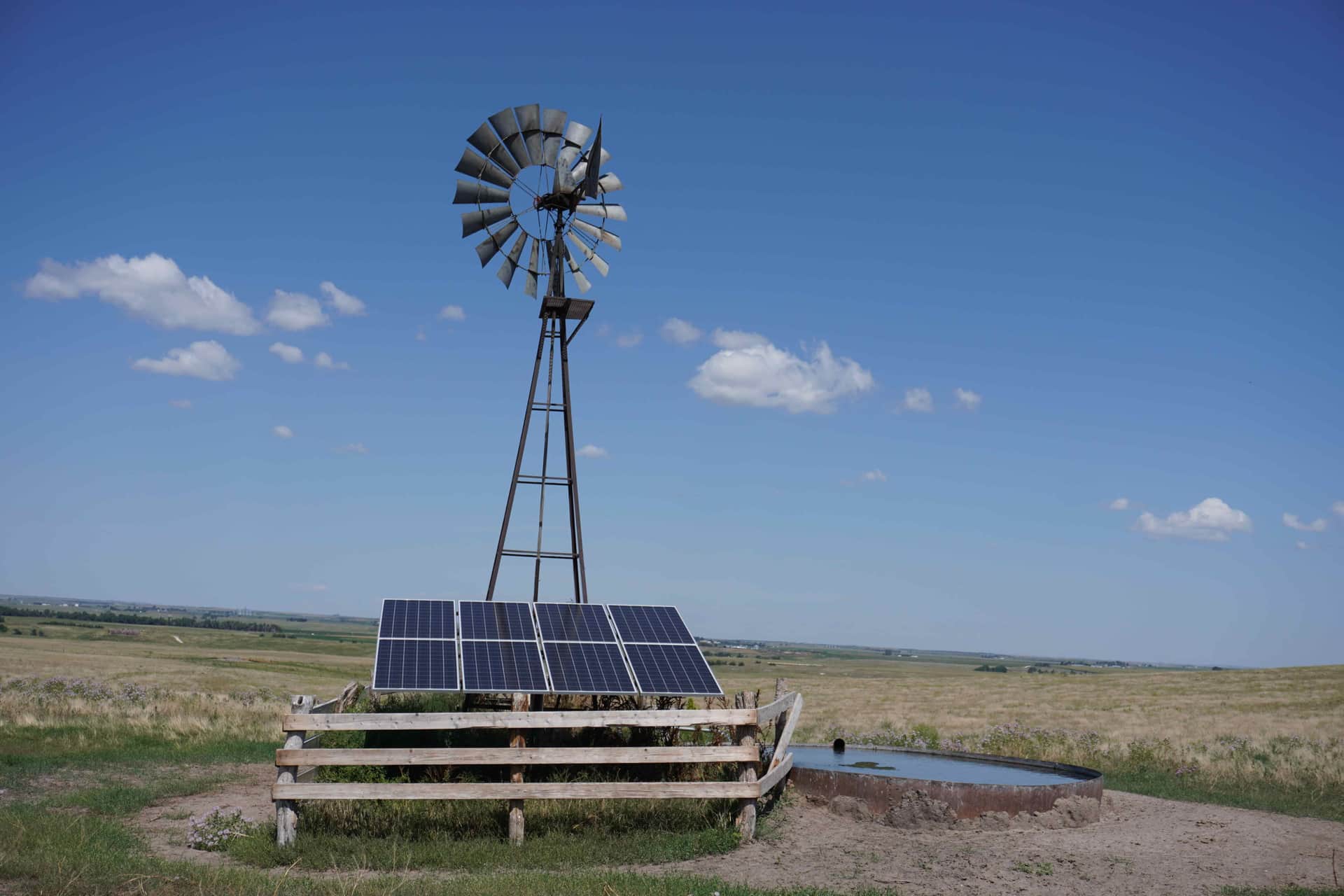
2,400 acres of Sandhills range.
Call it the Nebraska Ranch. The family has run cattle on it for two generations. Today it would bring about $4,800,000 — $2,000 an acre. The basis, after all these years, is about $600,000. That leaves roughly $4,200,000 of gain standing between the family and any exit.
Mom and Dad are in their seventies. One kid ranches. Two don’t. Every option on the table starts from those same facts.
Door one and door four, on paper.
The sale closes at $4,800,000. Then the taxes come due on the $4.2M gain:
The family contributes the ranch under §721 instead of selling it. Nothing is sold, so:
The ranching kid stays on as the tenant, where it fits. The family holds a divisible interest all three kids can share without a forced sale — and the tax question moves to a year, and a structure, of the family’s choosing.
An illustration — not advice. Hypothetical family, round numbers, top 2026 rates.
Hypothetical family, round numbers, top 2026 rates (Nebraska’s rate is scheduled to step down in coming years). Depreciation recapture, entity details, and a hundred family particulars are left out on purpose. Your CPA and the licensed specialists run your actual numbers before anything is decided. Run your own rough numbers →
Why is there no DST in this picture?
A Delaware Statutory Trust is built to catch money that has already left the land. A seller holding 1031 proceeds can’t put cash into a partnership interest directly — the tax code doesn’t treat it as like-kind — so the industry inserts a trust in the middle and sells slices of it, then often converts those slices to partnership units later. Two steps, more layers, more intermediaries.
The Legacy Exchange starts before the sale. The ground itself is contributed, so there is no pile of sale proceeds to catch and no trust to insert. One step instead of two — and nothing on a product shelf. The contribution is still a serious legal transaction, structured and papered by licensed tax and legal specialists with your own advisors at the table.
Fewer layers is also fewer fees. The two-step route stacks selling commissions, dealer-manager fees, and sponsor loads before the first dollar goes to work. One step carries one fee on our side of the table — stated in writing before anything is signed.
Related, if it helps.
- Opportunity Zones — a third structure to weigh beside selling and contributing.
- Field Guides — the full library, free by email.